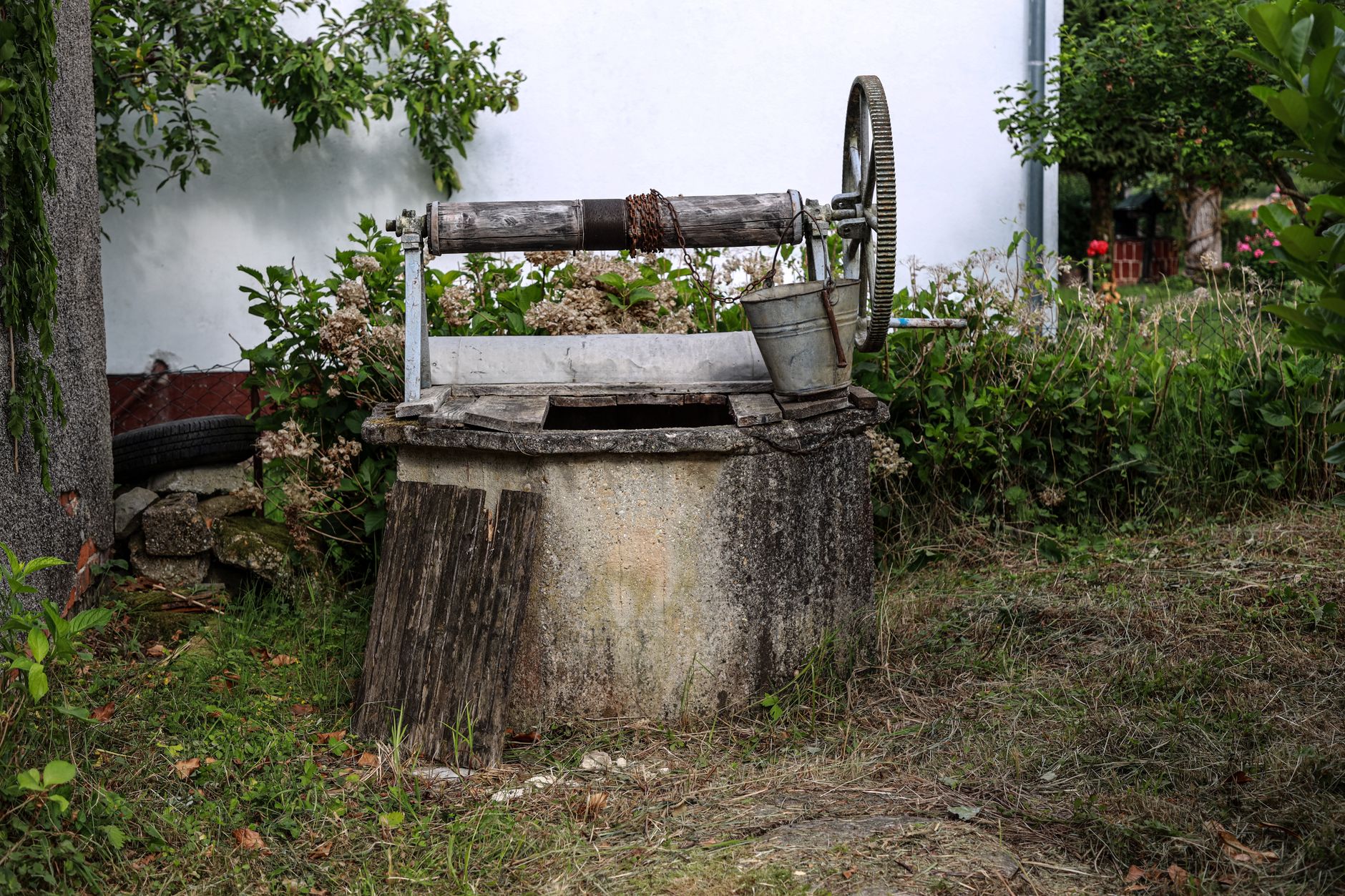
Well water presents a harder challenge for softeners than city water. In addition to calcium and magnesium hardness, private wells often contain iron, manganese, hydrogen sulfide, sediment, and bacteria — contaminants that can foul softener resin and shorten system life if not addressed properly. The best water softeners for well water are designed with these additional challenges in mind.
Why Well Water Is Harder on Softeners
Standard water softener resin is designed to exchange calcium and magnesium ions for sodium. Iron — extremely common in well water — also has a positive charge and will stick to resin beads. Over time, iron accumulates on the resin and reduces its ability to soften water effectively. This is called iron fouling, and it can permanently damage resin if not managed with regular cleaning or a dedicated iron pre-filter.
Manganese causes similar fouling. Hydrogen sulfide (the rotten egg smell) can also damage resin. Before installing any softener on a well, test your water for iron, manganese, pH, and hardness to understand the full treatment picture.
Top Well Water Softener Picks for 2026
Best Overall: Fleck 5600SXT with Iron Pro 2 Combination System
The Iron Pro 2 by AFWFilters combines a standard Fleck 5600SXT metered valve with a fine mesh resin specifically designed for iron removal. Fine mesh resin has smaller beads with more surface area, capturing dissolved iron (ferrous iron up to 6-8 ppm) and hardness simultaneously in a single tank. The metered demand valve regenerates based on actual usage. This is the most popular choice for wells with moderate iron levels because it eliminates the need for a separate iron filter.
- Best for: Wells with iron up to 6-8 ppm and hardness up to 30 GPG
- Iron capacity: Up to 8 ppm ferrous iron
- Available sizes: 32K, 48K, 64K, 80K grains
Best for High Iron: SpringWell Whole House Well Water Filter + Softener Combo
For wells with iron above 8 ppm or with ferric iron (rust particles), a dedicated iron filter before the softener is the right approach. SpringWell offers a complete combo system: an air injection oxidation iron filter removes iron up to 7 ppm, manganese up to 1 ppm, and hydrogen sulfide up to 8 ppm before water reaches the salt-based softener. This two-tank approach fully protects the softener resin from fouling. It is a larger investment but the correct solution for wells with complex chemistry.
- Best for: Wells with multiple issues — iron, manganese, sulfur, and hardness together
- Iron capacity: Up to 7 ppm (oxidation filter stage)
- Warranty: Lifetime on tanks and valves
Best Budget: Durawater Air Injection Iron Filter + 48K Softener
Durawater offers a paired system at a more accessible price point: an air injection iron filter followed by a 48,000 grain salt-based softener. The air injection process oxidizes dissolved iron and sulfur before the water reaches the softener resin. Adequate for most well water applications with iron up to 7 ppm. Build quality is not as refined as SpringWell, but it handles the core job at lower cost.
- Best for: Budget-conscious well water owners with iron and hardness issues
- Annual cost: Salt + pre-filter maintenance, approximately $200 to $300/year
Essential Pre-Treatment for Well Water Softeners
Regardless of which softener you choose for well water, always install a sediment pre-filter upstream of the softener. A 20 or 50 micron filter cartridge before the softener catches sand, silt, and rust particles that would otherwise enter the softener tank. Replace this sediment filter every 1 to 3 months depending on your well’s sediment load.
If your well tests positive for coliform bacteria or E. coli, add a UV purification system after the softener. A softener does not kill bacteria.
Iron Fouling Prevention
Even with a well-matched system, add a monthly dose of Iron Out resin cleaner to your brine tank. This chelating agent loosens iron deposits from resin beads during regeneration and extends resin life significantly. A $15 bottle lasts 6 to 12 months.
Bottom Line
Well water softening is not a one-product solution. Always test your water first to understand iron, manganese, hydrogen sulfide, and hardness levels before purchasing. For iron below 8 ppm, the Iron Pro 2 fine mesh combination system is the most cost-effective approach. For complex well water with multiple issues, the SpringWell combo system provides the most comprehensive protection for your investment.
Disclaimer: Have your well water tested by a certified laboratory before selecting treatment equipment. Requirements vary significantly by well and location.