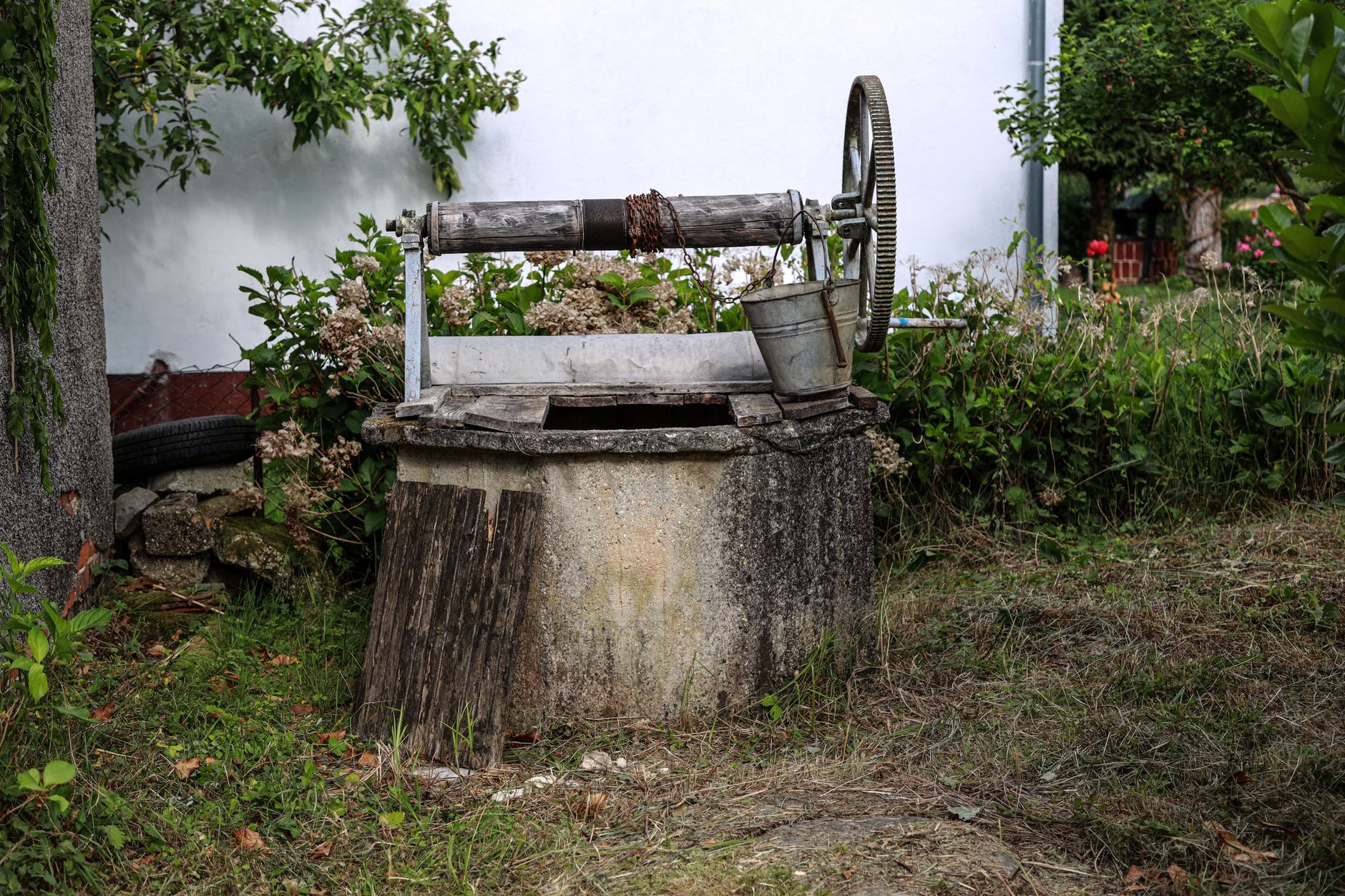
Private well water is not treated before it reaches your tap. What you drink is groundwater filtered naturally through soil and rock — which means it can contain anything that enters the local groundwater supply, from natural minerals to bacteria to agricultural chemicals. Treating well water effectively requires first understanding what is in it, then matching the right treatment technology to each problem. Here is how to approach it.
Step 1: Test Your Well Water
Treating well water without testing first is guesswork. The required treatment varies dramatically depending on your well’s geology, nearby land use, and seasonal factors. At minimum, test annually for:
- Total coliform and E. coli bacteria — the most critical safety test
- Nitrates — particularly important if you have infants or are pregnant
- pH — affects corrosiveness and treatment system performance
- Total hardness — calcium and magnesium concentration
- Iron and manganese — common in most aquifers
If you live near farmland, also test for pesticides and herbicides. Near industrial areas, test for VOCs and PFAS. In areas with granite geology (New England, Southwest), test for radon and arsenic. A comprehensive well water panel from a certified laboratory costs $150 to $300 and gives you the full picture.
Step 2: Address Bacteria First
Bacterial contamination is the most urgent well water health concern. If your test shows coliform bacteria or E. coli, take these steps:
Shock chlorination
Shock chlorinating your well is the first response to bacterial contamination. The process involves adding a measured amount of household bleach (unscented, 5-6% sodium hypochlorite) to the well, circulating it through the system, letting it sit for 12 to 24 hours, then pumping out the chlorinated water. The EPA’s guidance at epa.gov provides specific instructions for your well type. Shock chlorination treats existing contamination but does not prevent recontamination.
UV purification system
For ongoing protection, a UV (ultraviolet) purification system installed on the main supply line provides continuous disinfection without chemicals. UV light destroys bacteria, viruses, and protozoa (including Cryptosporidium and Giardia, which are resistant to chlorine) by disrupting their DNA. The bulb lasts approximately one year before replacement. UV does not remove chemical contaminants — it only addresses biological ones.
Step 3: Remove Iron and Manganese
Iron and manganese are among the most common well water problems. Levels above 0.3 mg/L iron or 0.05 mg/L manganese cause staining and taste issues. Treatment depends on concentration and iron type:
- Low iron (below 3 ppm): A water softener with fine mesh resin can handle iron alongside hardness removal in a single system.
- Moderate iron (3 to 7 ppm): An air injection oxidation (AIO) iron filter oxidizes dissolved iron and filters it out. No chemicals required. Handles manganese and hydrogen sulfide simultaneously.
- High iron (above 7 ppm): A two-step approach — dedicated oxidizing filter (using aeration or chemical injection) followed by filtration. Consult a water treatment professional for systems handling very high iron concentrations.
Step 4: Address Hardness
Well water is frequently very hard due to dissolved minerals from the aquifer. If your hardness test shows above 7 GPG, scale buildup will damage plumbing, appliances, and water heaters over time. A salt-based ion exchange water softener is the standard solution. Position it after the iron filter — iron can foul softener resin if it reaches the softener tank.
Step 5: Handle Hydrogen Sulfide (Sulfur Smell)
If your water smells like rotten eggs, hydrogen sulfide (H2S) is present. It is produced by sulfur-reducing bacteria or occurs naturally in some aquifers. Air injection iron filters handle moderate hydrogen sulfide levels (up to 5-8 ppm). Higher levels may require continuous chlorination (a chemical feed pump injects a dilute bleach solution) followed by a carbon filter to remove residual chlorine.
Step 6: Remove Nitrates if Needed
Nitrates above 10 mg/L (the EPA MCL) are dangerous for infants and during pregnancy. Nitrates cannot be removed by boiling, carbon filtration, or water softening. The effective options are:
- Reverse osmosis: Removes 85-95% of nitrates. A point-of-use RO system at the kitchen tap is practical and cost-effective for drinking water.
- Ion exchange (anion resin): Specifically designed for nitrate removal. Can treat whole-house flow rates but requires a dedicated regenerant (potassium chloride or sodium chloride).
Step 7: Final Polishing with Carbon Filtration
After iron, bacteria, hardness, and other primary concerns are addressed, a carbon post-filter removes any remaining taste or odor issues — including residual chlorine if you are using a chlorination system. An under-sink carbon filter or reverse osmosis system at the kitchen tap ensures the cleanest possible drinking and cooking water after whole-house treatment.
Recommended Treatment Order
For well water with multiple issues, the correct equipment sequence matters:
- Sediment pre-filter (removes sand and silt)
- pH neutralizer if pH is below 6.5 (protects downstream equipment)
- Iron filter or air injection oxidation system
- Water softener (if needed for hardness)
- UV purification system (for bacteria)
- Under-sink carbon or RO system (for drinking water polishing)
Annual Maintenance
- Replace sediment pre-filter cartridge every 1 to 3 months
- Replace UV bulb annually
- Add Iron Out resin cleaner monthly if using a softener on iron-bearing water
- Clean brine tank annually
- Re-test water annually and after any nearby land use changes or flooding
Bottom Line
Well water treatment is not a single-product solution. Start with a comprehensive water test, address bacteria first, then work through iron, hardness, and other specific contaminants in the correct equipment sequence. Annual testing ensures your treatment system continues to work as your groundwater quality changes over time.
Disclaimer: Well water quality varies significantly by location. Have your water tested by a certified laboratory and consider consulting a licensed water treatment professional for complex contamination situations.