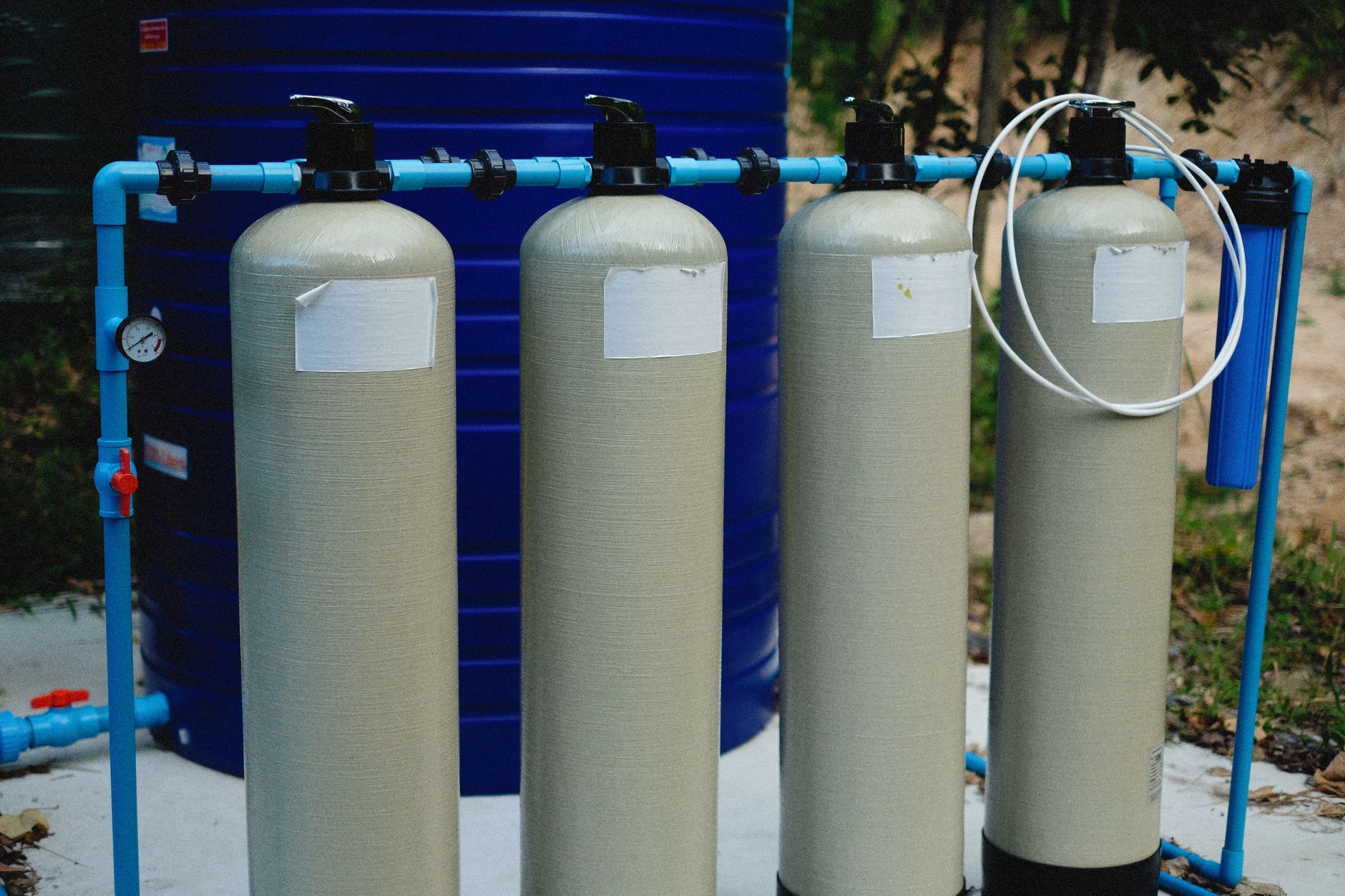
Iron is one of the most common well water problems in the United States, particularly in the Midwest, Northeast, and Southeast. At levels above 0.3 mg/L — a threshold many private wells exceed significantly — iron causes orange or brown staining on fixtures and laundry, a metallic taste in water, and premature damage to water softener resin. Choosing the right iron filter depends on your iron level, the form of iron present, and whether you also have manganese or sulfur issues. Here are the best options for 2026.
Types of Iron in Well Water
Before selecting a filter, it helps to understand which type of iron you have:
- Ferrous iron (clear-water iron): Dissolved iron that is invisible in a fresh glass of water but oxidizes to form rust when exposed to air. Most common type. Causes orange staining.
- Ferric iron (red-water iron): Already oxidized, appears as rust particles or cloudiness immediately when water is drawn. Requires physical filtration to remove.
- Bacterial iron: Iron bacteria that form slimy, orange-red deposits in toilet tanks and plumbing. Requires both iron removal and disinfection (UV or chlorination).
- Organic iron: Iron bound to tannins or other organic compounds. Yellow to tea-colored water. Harder to remove than ferrous or ferric iron — requires specialized treatment.
A certified water test will identify your iron type and concentration.
Top Iron Filter Picks for 2026
Best Overall: SpringWell WS Whole House Iron Filter
SpringWell’s air injection oxidation (AIO) iron filter is the top-rated system for well water iron removal. It uses compressed air injection to oxidize dissolved ferrous iron into ferric particles that are then trapped in a green sand or Birm media bed. Handles iron up to 7 ppm, manganese up to 1 ppm, and hydrogen sulfide up to 8 ppm. The system automatically backwashes on a preset schedule to flush accumulated iron and regenerate the media. No chemicals required. Flow rate is 12 GPM. Lifetime warranty on tank and valve.
- Best for: Wells with iron up to 7 ppm, manganese, or sulfur smell
- Maintenance: Periodic media replacement every 5 to 7 years
Best for High Iron: Pentair Whole House Iron Filter
For wells with iron above 7 ppm, Pentair’s oxidizing filter system handles concentrations up to 10 ppm ferrous iron using catalytic carbon media combined with air injection. The Pentair name is trusted by water treatment professionals and the system uses heavy-duty components designed for demanding well water conditions. More expensive than SpringWell but appropriate for more extreme iron situations.
- Best for: Wells with iron 7 to 10 ppm
- Professional installation recommended
Best Budget: Durawater Fleck 5600SXT Iron Filter
Durawater combines the proven Fleck 5600SXT metered control valve with Katalox Light media, which oxidizes and filters iron, manganese, and hydrogen sulfide without chemicals. Handles iron up to 6-8 ppm depending on pH and oxygen levels. Metered regeneration means the system only backwashes when needed, conserving water. At roughly half the price of SpringWell, it is a solid choice for moderate iron problems with a tight budget.
- Best for: Iron up to 6 ppm, budget-conscious buyers
- Annual cost: Low — primarily backwash water usage
Best Combination System: Iron Pro 2 by AFWFilters
If your primary goal is softening plus iron removal, the Iron Pro 2 combines a Fleck 5600SXT control valve with fine mesh resin in a single tank. Fine mesh resin has smaller beads than standard softener resin, capturing dissolved ferrous iron (up to 6-8 ppm) along with hardness minerals simultaneously. This eliminates the need for a separate iron filter upstream of a softener — saving space, cost, and installation complexity. Works best for wells with iron below 8 ppm and no ferric (particulate) iron.
- Best for: Wells needing both iron removal and softening with iron below 8 ppm
- Note: Requires Iron Out resin cleaner monthly to prevent iron fouling
Essential Pre-Treatment
Always install a sediment filter (20 to 50 micron) before any iron filter system to remove sand and silt that would clog the filter media. Replace the sediment cartridge every 1 to 3 months based on your well’s turbidity.
Water pH is critical for air injection iron filters — optimal performance requires pH above 6.5. If your well water is acidic (pH below 6.5), add a calcite neutralizer ahead of the iron filter to raise pH. Low pH dramatically reduces iron oxidation efficiency.
What About Bacterial Iron?
If your water test identifies iron bacteria (common indicators include slime in toilet tanks and a sewage-like smell), standard iron filters alone are insufficient. You will need periodic shock chlorination of the well, followed by a whole house iron filter and a UV purification system to prevent bacterial recontamination. Consult a licensed well water professional for bacterial iron treatment plans.
Bottom Line
For most well water iron problems up to 7 ppm, the SpringWell WS iron filter is the best combination of performance, longevity, and warranty. Budget buyers with moderate iron will find the Durawater Fleck 5600SXT system a reliable and more affordable option. If you need softening and iron removal together, the Iron Pro 2 fine mesh combination unit eliminates the need for two separate systems.
Disclaimer: Test your well water for iron type and concentration before purchasing. Treatment requirements vary significantly based on iron form, pH, manganese, and bacterial content.
Types of Iron Filter Systems for Well Water
“Iron filter” is really an umbrella term — there are several system types, and the right one depends on how much iron your well has and whether it is dissolved (clear-water) or already oxidized (red-water). Here are the main iron filter systems for well water:
- Air injection (AIO) filters. The most popular modern system. They pull in a pocket of air that oxidizes the iron, then trap it in a filter media bed and flush it away automatically. Great for moderate-to-high iron with little maintenance.
- Oxidizing media filters (Greensand / Katalox). The water passes through a catalytic media that oxidizes and captures iron and manganese. Reliable, but the media usually needs periodic regeneration with potassium permanganate.
- Chemical injection + filtration. For very high iron or iron bacteria, a small pump injects an oxidizer (chlorine or hydrogen peroxide) ahead of a filter tank. Most powerful, but the most hands-on to maintain.
- Water softeners with iron removal. A softener can remove small amounts of dissolved (clear-water) iron via ion exchange — fine for low iron, but it is not a true iron filter and clogs quickly above ~3 ppm.
As a rule of thumb: low iron (under 3 ppm) can ride along on a softener; moderate iron is the sweet spot for an air-injection system; very high iron or iron bacteria needs chemical injection. Always test your well first so you size the system to your actual iron level.
How to Filter Iron From Well Water, Step by Step
If you are trying to actually remove iron from your well water (not just choose a product), the process follows the same logic regardless of system:
- Test the water. Measure iron (ppm), manganese, pH and check for iron bacteria. This decides everything that follows.
- Oxidize the iron. Dissolved iron is invisible; it has to be turned into solid particles first — by air, catalytic media, or a chemical oxidizer.
- Filter out the particles. The oxidized iron is then physically trapped in the filter media bed.
- Flush the bed. The system backwashes on a schedule, sending the captured iron down the drain so the media stays effective.
Get the order right and even rusty, metallic well water comes out clear. For the specific products that handle each iron level, see the picks and comparison above, and pair your filter with a periodic water quality test to confirm it is keeping up.