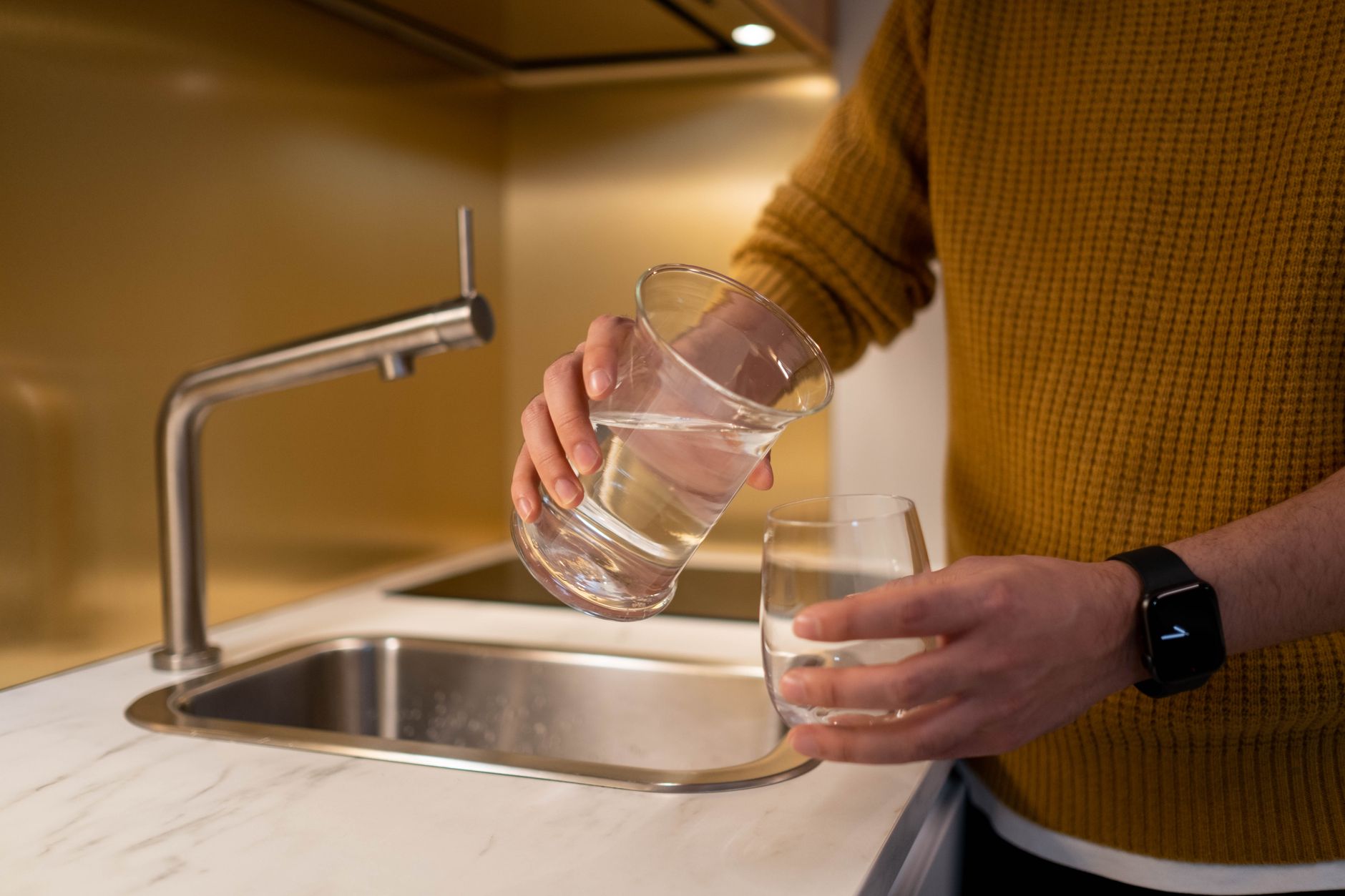
Under-sink water filters are the most popular upgrade for homeowners who want better-tasting, cleaner drinking water without the hassle of refilling a pitcher every day. They install out of sight, deliver filtered water directly at the tap, and handle significantly more volume than countertop or pitcher options. After reviewing the leading systems available in 2026, here are the top picks across different budgets and needs.
What to Look for in an Under-Sink Filter
Before diving into specific models, these are the factors that matter most:
- NSF certification: Look for NSF/ANSI Standard 42 (chlorine and taste) and Standard 53 (health contaminants including lead and VOCs). Certification means a third party has verified the claims.
- Filter capacity: How many gallons the filter handles before cartridge replacement. Higher capacity means fewer changes and lower annual cost.
- Number of stages: More stages generally means broader contaminant removal. Basic systems use one or two stages; comprehensive systems use three or more.
- Installation type: Some systems use your existing faucet; others require a dedicated filter faucet (which means drilling a hole in your sink if one does not already exist).
- Annual filter cost: Calculate the cost per gallon, not just the upfront price.
Top Under-Sink Water Filter Picks for 2026
Best Overall: iSpring WGB22B 2-Stage Filter
The iSpring WGB22B is a workhorse system that handles the most common municipal water concerns at a reasonable price. Its two-stage design combines a 5-micron sediment pre-filter with a coconut shell carbon block that removes chlorine, chloramines, VOCs, and dozens of other chemicals. It handles 100,000 gallons before replacement — that is roughly 3 to 4 years for an average family. Flow rate is 2.5 gallons per minute, which is fast enough not to notice while filling a pot or glass.
- NSF certified: Standards 42 and 61
- Annual filter cost: Approximately $60 to $80
- Best for: City water with chlorine and general chemical concerns
Best for Lead Removal: APEC WFS-1000 3-Stage Filter
APEC makes some of the most reliable filtration systems available. The WFS-1000 uses three stages — a 5-micron sediment filter, a coconut shell pre-carbon, and a lead-specific KDF/carbon block — to remove sediment, chlorine, chloramines, and lead down to 0.5 microns. It is NSF certified to Standard 53 for lead reduction, which matters if you have older plumbing. Filter life is around 1,000 gallons per stage, requiring annual replacement for an average household.
- NSF certified: Standards 42, 53, and 61
- Annual filter cost: Approximately $50 to $90
- Best for: Homes with older plumbing or confirmed lead concerns
Best Compact: Frizzlife PD600 Dual-Stage Filter
The Frizzlife PD600 is designed for kitchens with limited under-sink space. Its twist-and-lock cartridge system makes filter changes tool-free and mess-free in under three minutes. Despite its compact size, it delivers 600 gallons per filter set and removes chlorine, heavy metals, and VOCs to NSF 42 and 53 standards. It connects to your existing faucet — no dedicated faucet or drilling needed.
- NSF certified: Standards 42 and 53
- Annual filter cost: Approximately $40 to $70
- Best for: Small kitchens or renters who need easy installation and removal
Best High-Capacity: Home Master ULTRA EVO
For households that want to go longer between filter changes, the Home Master ULTRA EVO uses a 3-stage design with larger filter housings that process up to 2,500 gallons before replacement — more than three times the capacity of most standard filters. It removes chlorine, chloramines, heavy metals, and sediment. The larger housings also maintain strong flow rate without pressure drop.
- NSF certified: Standard 42
- Annual filter cost: Approximately $65 to $95
- Best for: Large families or households that want minimal maintenance
Under-Sink Filter vs. Reverse Osmosis: Which Should You Choose?
Standard under-sink carbon filters excel at removing chlorine, chloramines, VOCs, and some heavy metals. They do not remove dissolved minerals, nitrates, fluoride, or most bacteria. If your water test shows any of those contaminants, a reverse osmosis system is the better choice — though it costs more upfront and requires slightly more complex installation.
Installation Overview
Most under-sink filters install in 30 to 60 minutes using basic hand tools. The filter connects to the cold water supply line under the sink, and a short tube carries filtered water to either your existing faucet or a dedicated filter faucet. No professional plumber is needed for a standard installation.
Annual Cost Comparison
- iSpring WGB22B: ~$160 upfront + $70/year in filters
- APEC WFS-1000: ~$130 upfront + $70/year in filters
- Frizzlife PD600: ~$120 upfront + $55/year in filters
- Home Master ULTRA EVO: ~$200 upfront + $80/year in filters
Bottom Line
For most households on city water, the iSpring WGB22B offers the best balance of performance, capacity, and price. If lead is a specific concern, the APEC WFS-1000 is the standout choice. Renters or those with limited cabinet space will find the Frizzlife PD600 easiest to work with. Whatever you choose, prioritize NSF certification over marketing claims.
Disclaimer: Product availability and pricing may vary. Always verify NSF certification directly on the manufacturer’s or NSF’s website before purchasing.