One of the most common questions homeowners have after buying a water filter is how long they can go before replacing it. The answer varies significantly depending on the filter type, your water quality, and how much water your household uses. Using a filter beyond its lifespan is not neutral — a saturated filter stops removing contaminants and can actually harbor bacteria, making your water worse than unfiltered.
Filter Lifespan by Type
Pitcher Filters (Brita, PUR, ZeroWater)
Pitcher filter cartridges have the shortest lifespan of any type. Most manufacturers recommend replacement every 40 gallons or every 2 months, whichever comes first. For a household of two that refills the pitcher once per day, that is roughly every 2 months. For a family of four filling it three times daily, replacement may be needed every 3 to 4 weeks. ZeroWater cartridges typically last 25 to 40 gallons, which can be as little as 3 weeks in areas with very high TDS water.
Faucet-Mounted Filters
Faucet filters like PUR and Brita faucet systems typically last 100 gallons or about 3 months with average use. Most include a filter life indicator that changes color as the cartridge approaches exhaustion — a useful feature since these filters are easy to forget about.
Under-Sink Carbon Filters
Single or multi-stage under-sink carbon filters last 500 to 1,000 gallons, or 6 to 12 months for most households. Higher-capacity units from brands like Home Master can reach 2,500 gallons or more. Water quality affects this significantly — heavily chlorinated or high-sediment water exhausts filters faster.
Reverse Osmosis Filters
RO systems have multiple stages with different replacement schedules:
- Sediment pre-filter: Every 6 to 12 months
- Carbon pre-filters: Every 6 to 12 months
- RO membrane: Every 2 to 3 years
- Post-carbon polishing filter: Every 12 months
The membrane is the most expensive component to replace, typically $30 to $80. Neglecting pre-filter replacement shortens membrane life significantly since the pre-filters protect the membrane from chlorine and sediment damage.
Whole House Sediment Filters
Sediment pre-filters on whole house systems need replacement every 3 to 6 months depending on your water’s sediment load. If your water looks visibly cloudy or has frequent rust particles, check the filter monthly — a severely clogged sediment filter reduces water pressure throughout your home.
Whole House Carbon Filters (Cartridge-Based)
Standard whole house carbon cartridges last 3 to 6 months or 50,000 to 100,000 gallons. High-capacity systems handle up to 600,000 gallons before replacement.
Tank-Based Whole House Systems (Media Filters)
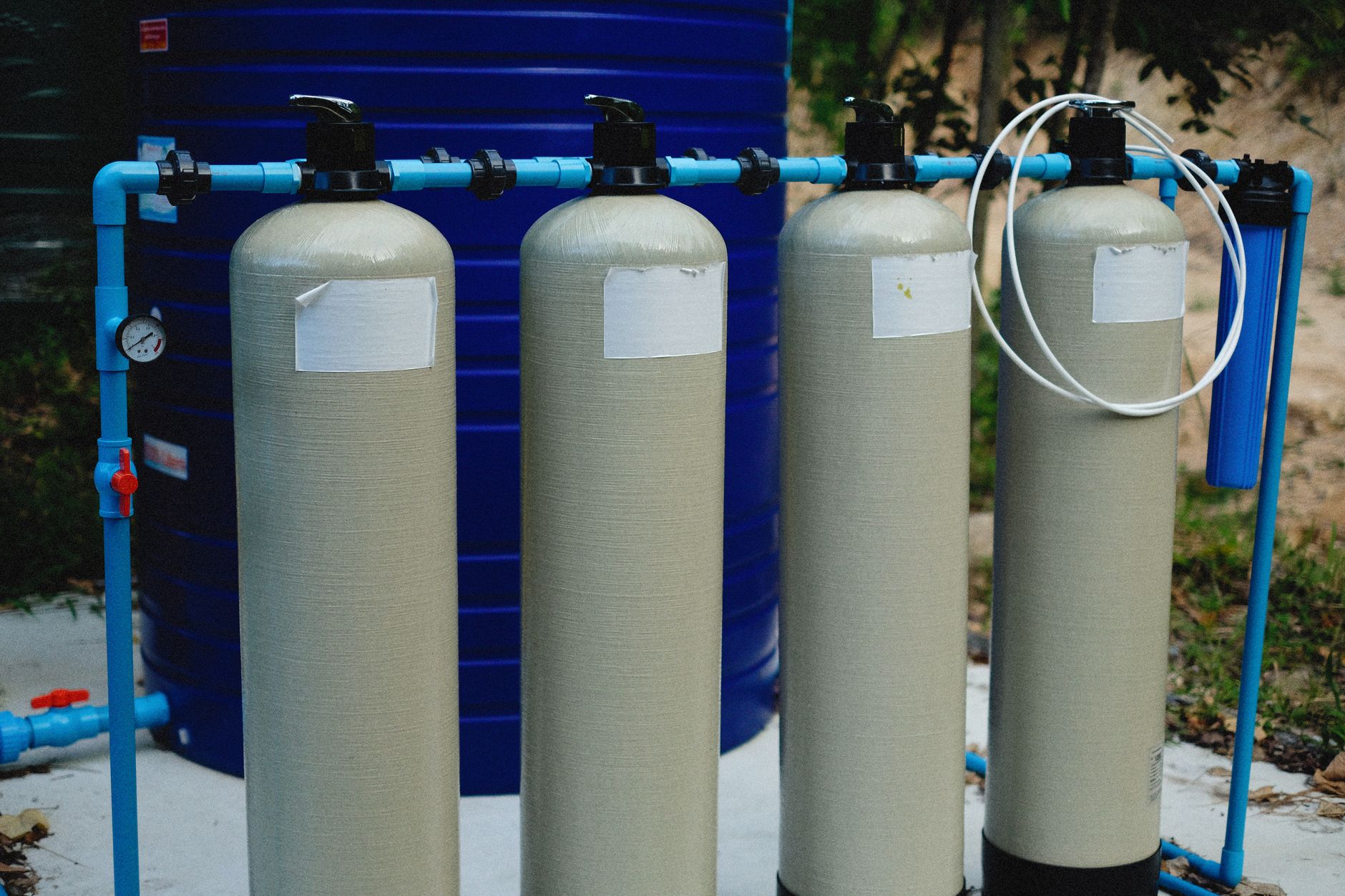
Premium systems like SpringWell and Aquasana Rhino use large tanks filled with filter media rather than cartridges. The media lasts 1 million gallons or approximately 10 years. Only the sediment pre-filter needs annual replacement. These have much lower long-term maintenance costs than cartridge systems.
Water Softener Resin
A water softener’s ion exchange resin lasts 15 to 20 years with proper maintenance. The softener itself needs salt added every 4 to 8 weeks depending on water hardness and household size. The brine tank should be cleaned once per year to prevent salt bridges and mushing.
What Shortens Filter Life?
- High sediment levels: Visible particles in your water clog filters much faster. Always use a sediment pre-filter before carbon or RO stages.
- High chlorine levels: Carbon filters in areas with heavily chlorinated water exhaust faster.
- High TDS water: Well water with high dissolved solid concentrations shortens RO membrane life.
- Larger household size: More people means more water consumption, exhausting filters sooner on a time basis.
- Using filtered water for cooking, coffee, and pets: All legitimate uses, but they add to the gallon count quickly.
Signs Your Filter Needs Replacement Now
Even before the recommended replacement date, change your filter if you notice:
- Return of chlorine taste or smell in filtered water
- Noticeably reduced flow rate or pressure
- Discolored water from the filter tap
- TDS readings from your RO system rising significantly (indicates membrane exhaustion)
How to Track Filter Life
The simplest method is to write the installation date directly on the filter housing with a permanent marker and set a recurring calendar reminder. For RO systems, a TDS meter ($15 online) is invaluable — measure your tap water TDS and your filtered water TDS. Filtered water should be 90% or more lower than tap. If that gap narrows, your membrane needs attention.
Bottom Line
Following the manufacturer’s replacement schedule is non-negotiable. An expired filter provides false security — you think your water is being treated when it is not. Mark installation dates, set reminders, and buy replacement cartridges in advance so you are never running on an exhausted filter.