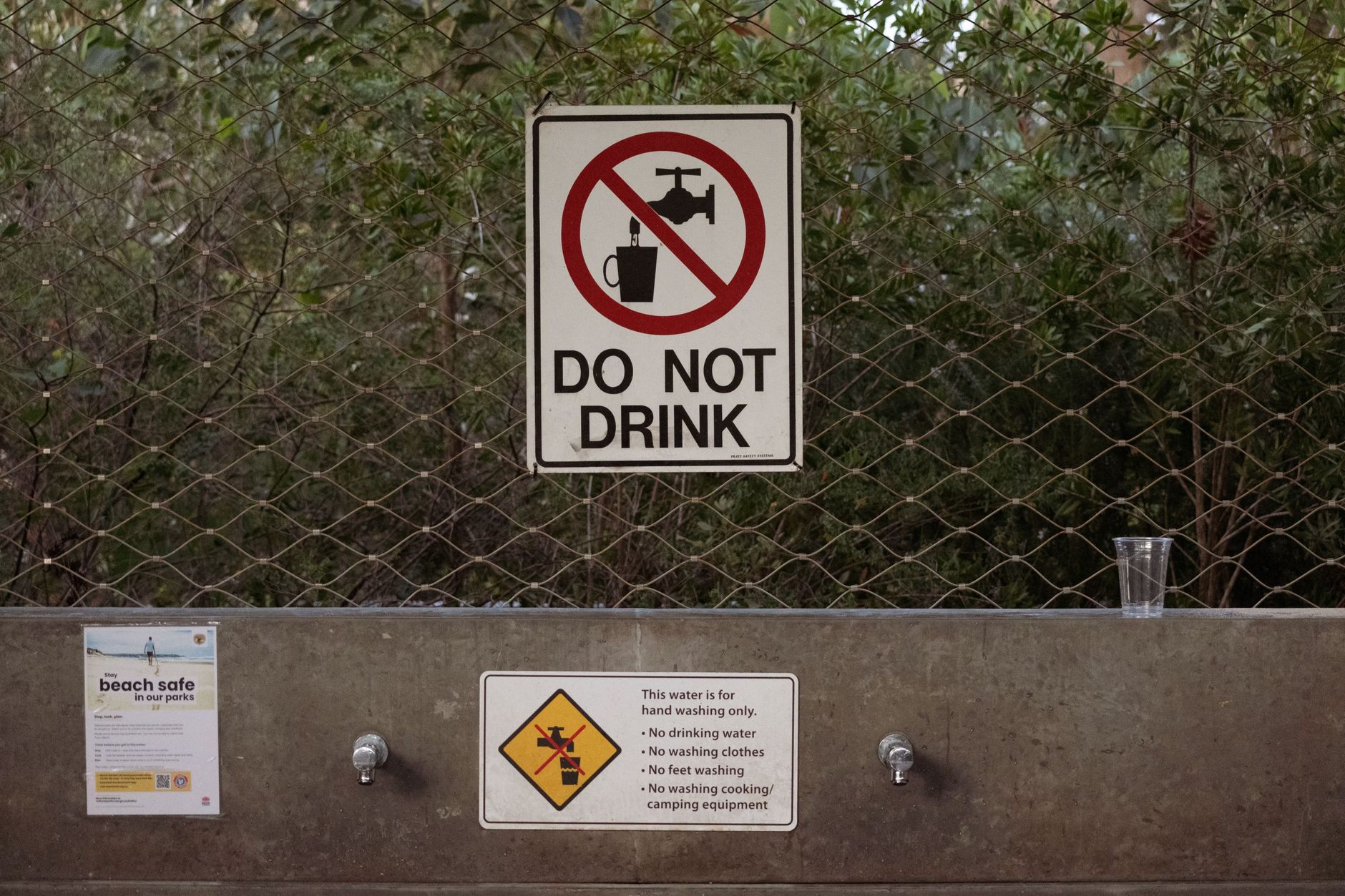
For most Americans on municipal water supplies, tap water is safe to drink. The United States has one of the most regulated public water systems in the world, with the EPA setting legal limits for over 90 contaminants. But “safe” according to federal standards is not the same as “perfectly clean,” and there are specific situations where additional caution is warranted. Here is what you actually need to know.
How Tap Water Is Regulated
The Safe Drinking Water Act (SDWA), passed in 1974 and amended several times since, gives the EPA authority to set Maximum Contaminant Levels (MCLs) for substances in public water supplies. Municipal water utilities are required to test their water regularly and report results annually to customers through the Consumer Confidence Report.
As of 2026, the EPA regulates over 90 contaminants in drinking water, covering microorganisms, disinfectants and their byproducts, inorganic chemicals, organic chemicals, and radionuclides. Water that meets all these standards is considered legally safe.
When Tap Water Is Reliably Safe
Municipal tap water that meets EPA standards is safe for the vast majority of healthy adults in normal circumstances. Cities with modern water infrastructure, well-maintained distribution systems, and up-to-date treatment technology consistently deliver water that meets or exceeds federal standards.
If your annual water quality report shows all contaminants below MCLs and no violations, your tap water meets the legal definition of safe drinking water.
When Tap Water May Be a Concern
Older homes with lead plumbing
This is the single biggest risk factor for tap water safety in the US. Lead pipes, lead solder in joints, and brass fixtures containing lead were standard in homes built before 1986. The water leaving the treatment plant may be lead-free, but lead leaches into water as it sits in household pipes — especially in soft or acidic water.
The EPA estimates that 6 to 10 million homes still have lead service lines. Children and pregnant women face the greatest health risks. If your home was built before 1986, test your tap water specifically for lead. A $20 mail-in test kit or a certified lab test will give you definitive results.
Private well water
Private wells are not regulated by the EPA under the Safe Drinking Water Act. Approximately 43 million Americans rely on private wells that they are entirely responsible for testing and maintaining. Well water can contain naturally occurring contaminants (arsenic, nitrates, radon, iron) and biological contaminants (coliform bacteria, E. coli) that vary by region and geology.
The CDC recommends testing private wells at least once per year for coliform bacteria, nitrates, pH, and any local contaminants of concern. After flooding or nearby agricultural activity, test immediately.
After a boil water advisory
Boil water advisories are issued when contamination events — pipe breaks, flooding, treatment failures — put the water supply at risk of bacterial or protozoan contamination. Follow all advisories, boil water for at least one minute before drinking, and do not resume untreated tap use until the advisory is lifted officially.
Areas with known PFAS contamination
Per- and polyfluoroalkyl substances (PFAS) are industrial chemicals that persist indefinitely in the environment and have contaminated water supplies near military bases, manufacturing facilities, and airports that used PFAS-containing firefighting foam. In 2024, the EPA set maximum contaminant levels of 4 parts per trillion for PFOA and PFOS — among the strictest water quality rules ever issued.
Check the EWG Tap Water Database (ewg.org/tapwater) to see if your utility has detected PFAS or other contaminants above health advisory levels in your area.
Vulnerable populations
Even within federal safety limits, certain populations should take additional precautions:
- Infants under 6 months: Highly vulnerable to nitrates. If your water report shows nitrates above 5 mg/L (half the MCL), use filtered or bottled water for formula preparation.
- Pregnant women: Extra caution around lead, nitrates, and disinfection byproducts is warranted, particularly in areas with older plumbing.
- Immunocompromised individuals: Those undergoing chemotherapy, organ transplant recipients, and people with HIV/AIDS are vulnerable to Cryptosporidium and Giardia that can sometimes pass through treatment. A reverse osmosis system provides additional protection.
What the EWG Tap Water Database Shows
The Environmental Working Group maintains a searchable database of water utility test results at ewg.org/tapwater. Importantly, EWG often flags contaminants that are technically within EPA legal limits but above what EWG considers health-protective levels. This creates confusion — water can be “legal” but EWG-flagged as a concern.
Use the EWG database as a research tool, not an alarm. Cross-reference with your official CCR and the EPA’s own risk assessments to get a balanced picture.
Should You Filter Your Tap Water?
If your water meets EPA standards, you are on city water with modern infrastructure, your home has no lead plumbing, and you are not in a known PFAS-affected area, your tap water is likely safe without additional filtration.
Consider a filter if:
- Your home was built before 1986 (lead risk)
- You are on a private well
- Your CCR shows contaminants near the MCL
- You are in an area with known PFAS contamination
- You are pregnant, have an infant, or are immunocompromised
- Your water tastes or smells of chlorine and you want to improve it
Bottom Line
US tap water is among the safest in the world for healthy adults on regulated municipal supplies. The main exceptions are lead from old plumbing, private well contamination, and emerging contaminants like PFAS in affected communities. Know your water source, read your annual CCR, test if you have older plumbing or a well, and filter if you have specific concerns. Blanket statements that tap water is universally unsafe or universally fine are both oversimplifications.
Disclaimer: This article is for informational purposes only. Contact your local water utility, the EPA, or a certified water treatment professional for guidance specific to your water supply.