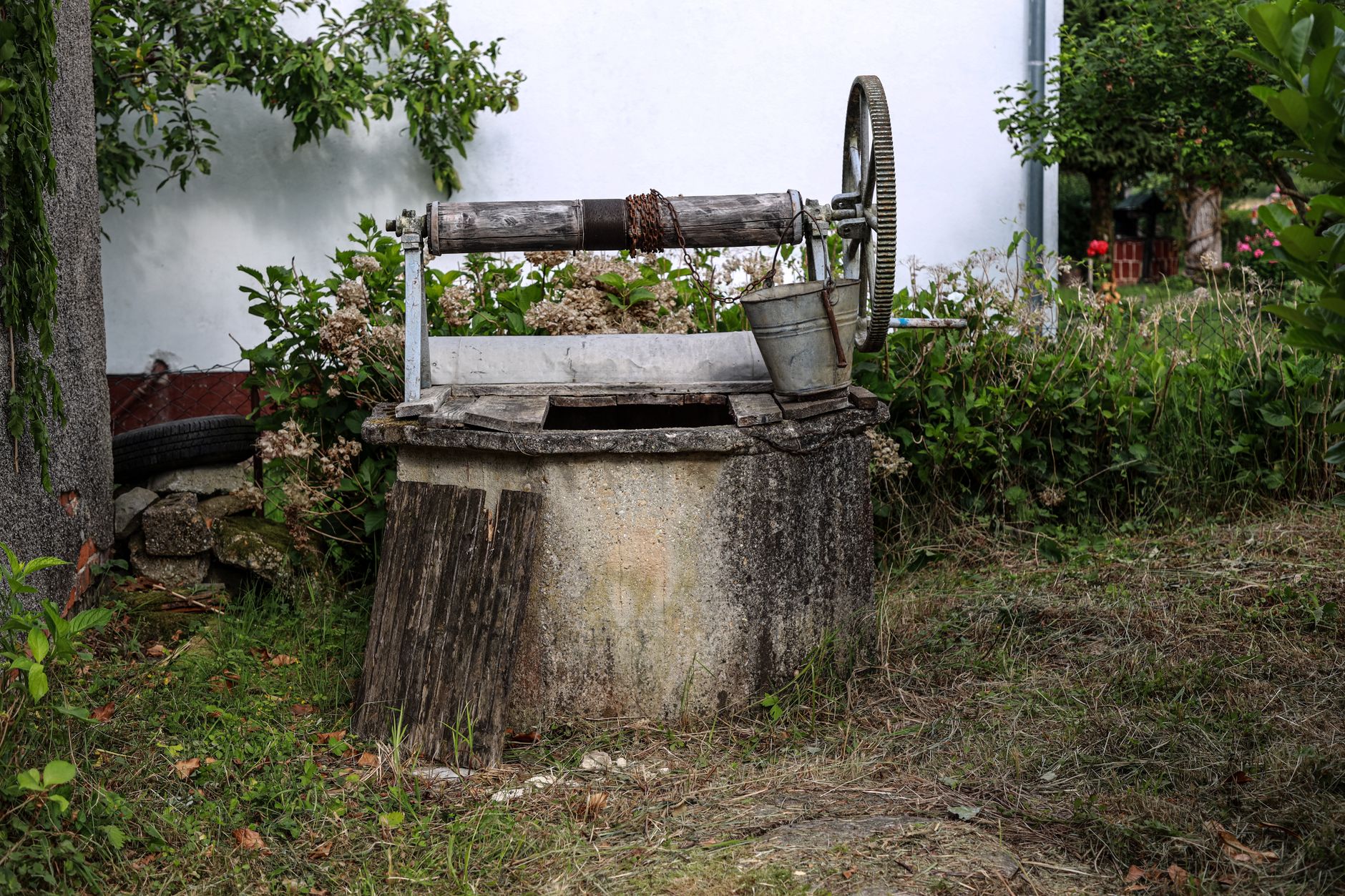
About 43 million Americans — roughly 15% of the population — rely on private wells for their drinking water. The rest receive water from municipal systems regulated by the EPA. Both sources can provide safe, clean water, but they come with very different challenges, costs, and responsibilities. Understanding the key differences helps homeowners make informed decisions about water treatment, testing, and maintenance.
Source and Treatment
City water
Municipal water comes from surface sources (rivers, lakes, reservoirs) or groundwater (aquifers). Before it reaches your tap, it passes through a multi-step treatment process at a water treatment plant that typically includes coagulation and flocculation (removing large particles), sedimentation, filtration, and disinfection with chlorine or chloramines. This treatment removes most biological and chemical contaminants to legally safe levels before the water enters the distribution system.
Well water
Private well water comes directly from an underground aquifer. It receives no municipal treatment. The geology of the surrounding soil and rock determines the natural mineral content of the water. Agricultural and industrial activity in the area affects whether contaminants like nitrates, pesticides, or PFAS have entered the groundwater. You are entirely responsible for testing, treating, and maintaining the quality of your well water.
Regulation and Testing
City water
Municipal water suppliers are regulated under the Safe Drinking Water Act. They are required to test water hundreds to thousands of times per year depending on system size, maintain results below EPA Maximum Contaminant Levels, notify customers of any violations, and publish an annual Consumer Confidence Report. If something goes wrong, the utility is legally responsible.
Well water
Private wells serving fewer than 25 people are exempt from federal regulation. There are no federal testing requirements. No agency monitors your water quality or notifies you if contaminants are present. The EPA and CDC recommend testing private wells at least once per year for coliform bacteria, nitrates, and pH — and more frequently after flooding, nearby land use changes, or if you notice changes in water quality. You pay for testing and treatment yourself.
Common Contaminants
City water contaminants
- Chlorine and chloramines: Added intentionally for disinfection. Affect taste and odor.
- Disinfection byproducts: THMs and HAA5s form when chlorine reacts with organic matter.
- Lead: From aging household plumbing and service lines, not the treatment plant.
- PFAS: Industrial contamination increasingly detected in municipal supplies.
Well water contaminants
- Coliform bacteria and E. coli: From septic systems, surface runoff, or animal waste.
- Nitrates: From fertilizer runoff. High levels are dangerous for infants.
- Iron and manganese: From natural rock dissolution. Cause staining and metallic taste.
- Hydrogen sulfide: “Rotten egg” smell from sulfur-reducing bacteria or geological sources.
- Arsenic: From natural geological deposits. Particularly common in some western states.
- Hardness: Often very high in well water from limestone formations.
- Radon: Radioactive gas dissolved in groundwater in some granite-rich regions.
Cost Differences
City water
Monthly water bills typically run $30 to $70 for an average household depending on usage and location. These bills fund treatment, distribution maintenance, and testing. No upfront infrastructure cost for the homeowner (the utility owns and maintains the distribution system up to your meter).
Well water
No monthly water bill, which many well owners cite as the primary financial advantage. However, well owners bear all upfront and maintenance costs:
- Well drilling: $3,000 to $15,000 depending on depth and geology
- Pump replacement: $800 to $2,500 every 10 to 15 years
- Annual water testing: $100 to $250 per year
- Treatment systems (softener, iron filter, UV, etc.): $500 to $3,000 depending on issues
- Pressure tank replacement: $200 to $600 every 5 to 15 years
Over 20 years, the costs can approach or exceed what city water users pay in utility bills — without the benefits of professional management.
Water Quality and Taste
Well water often tastes better than city water to people who are sensitive to chlorine. Without the disinfection chemicals required for distribution, well water can have a cleaner, more natural taste — provided it does not contain iron, sulfur, or other naturally occurring minerals that affect flavor.
City water in areas with modern treatment and low chlorination doses often tastes perfectly fine, especially after passing through a carbon filter. The “city water vs well water taste” comparison is entirely location-dependent.
Reliability
City water: Reliable pressure and supply in normal conditions. Vulnerable to main breaks, treatment failures, or contamination events that can trigger boil water advisories — but these are relatively rare and utilities are required to notify customers immediately.
Well water: Completely independent from municipal systems — no water bills, no utility disruptions. However, power outages disable electric well pumps (a generator or hand pump backup is advisable). Drought can lower water tables and reduce well yield. Pump failures cut off your entire water supply.
Bottom Line
City water offers professional treatment, regulatory oversight, and consistent supply with minimal homeowner responsibility beyond paying bills and potentially filtering for taste. Well water offers independence and no monthly fees, but transfers all responsibility for water quality testing, treatment, and system maintenance to the homeowner. Neither is inherently safer or better — it depends on your location, your well’s geology, and how proactively you manage maintenance and testing.